1. Acclimatization is everything.
Kilimanjaro’s biggest challenge isn’t technical climbing but altitude. The mountain rises rapidly, and many climbers underestimate how hard it is for the body to adjust. Choosing a longer route with extra acclimatization days greatly increases your chances of reaching the summit and staying healthy.
2. You don’t need technical mountaineering skills.
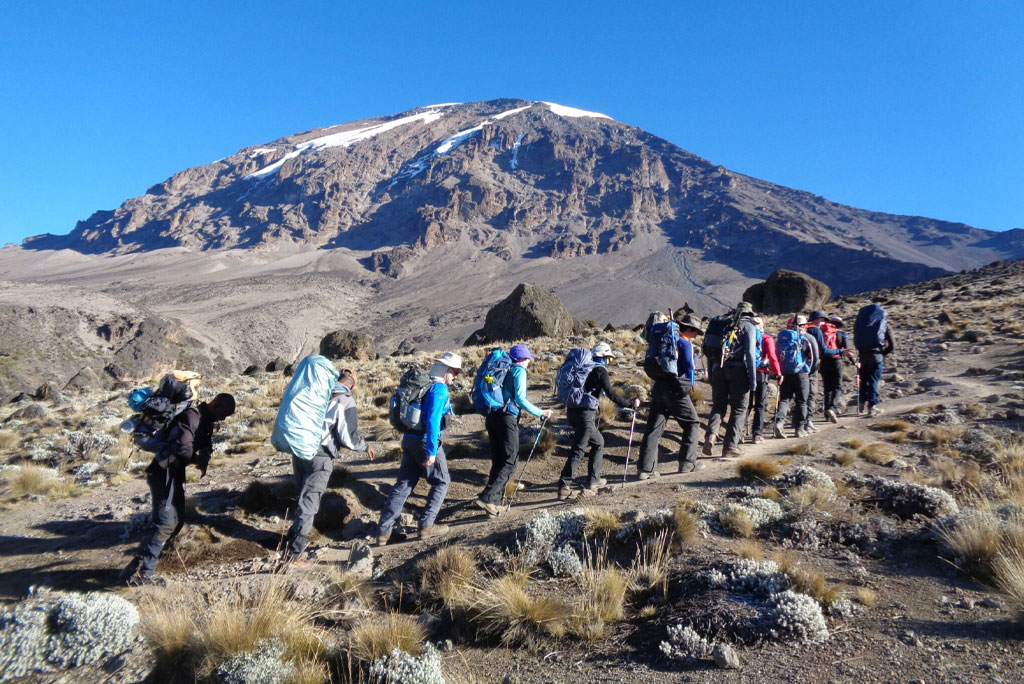
Kilimanjaro is a trekking peak, meaning no ropes or ice axes are required for standard routes. However, this doesn’t mean it’s easy. Long hiking days, steep summit night terrain, and thin air demand solid physical fitness and mental determination.
3. Weather can change dramatically.
You’ll pass through several climate zones, from tropical rainforest to arctic conditions at the summit. Warm days can turn into freezing nights, especially near the top. Proper layering and high-quality cold-weather gear are essential for comfort and safety.
4. Summit night is the hardest part.
The final push to Uhuru Peak begins around midnight and can take 10–14 hours round trip. You’ll be climbing in darkness, cold temperatures, and extreme altitude. Mental resilience is just as important as physical strength during this phase.
5. Guides and porters are mandatory and invaluable.
Tanzanian regulations require all climbers to be accompanied by licensed guides, and most expeditions include porters and cooks. They do far more than carry gear: they monitor your health, set a safe pace, and play a major role in your success.
6. Preparation goes beyond fitness.
Training your legs and lungs matters, but so does understanding altitude sickness symptoms, breaking in your boots, and packing smart. Mental preparation—knowing when to push and when to listen to your body can make the difference between turning back and standing on Africa’s highest point.